Seashell Machine Embroidery Design Review
As a professional embroidery designer who has spent years helping small businesses build their visual identity through thread and fabric, I approach every new machine embroidery design with a critical eye. The goal is never just to make something pretty; it is to create a durable, scalable asset that elevates a brand. Today, I am reviewing the Seashell Machine Embroidery Design. While this file falls under the broader Fish category in many digital marketplaces, its aesthetic leans heavily into coastal elegance rather than aquatic realism. For owners of boutiques, cafes, bakeries, or handmade brands looking to add a touch of organic charm to their merchandise, this design holds significant potential, provided it is implemented with technical precision.
First Impressions: Aesthetic and Brand Personality
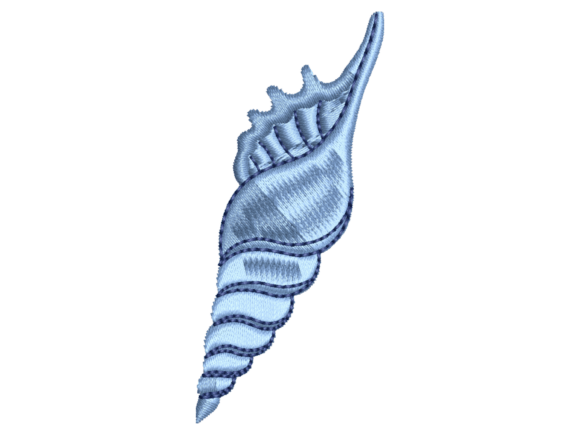
Upon opening the preview for the Seashell Machine Embroidery Design, the immediate impression is one of rustic sophistication. Unlike complex, hyper-realistic designs that can get lost on textured fabrics, this motif appears clean and distinct. It strikes a balance between playful and premium, making it an excellent candidate for brand identity work in lifestyle sectors. If you run a beachside café, a boutique selling handmade soaps, or a florist specializing in dried arrangements, this design offers a friendly yet professional look. It avoids the clutter often found in generic clip art, suggesting that the finished product will feel curated rather than mass-produced.
The visual weight of the seashell suggests it works well as a standalone icon or a subtle accent. In the world of small business merch, simplicity often translates to higher perceived value. A customer holding a tote bag or wearing an apron with a crisp, well-executed seashell logo perceives quality immediately. This design supports that perception by offering clear lines and defined shapes that should translate well into thread.
Real-World Business Applications
When evaluating a digital embroidery file for commercial use, I always ask: where does this live? The versatility of the Seashell Machine Embroidery Design makes it suitable for several high-impact applications:
- Embroidered Patches: This is perhaps the strongest use case. The organic shape of the shell fits perfectly within a standard patch border. You can create custom patches for staff uniforms, adding a cohesive look to your team without the cost of full custom garment manufacturing.
- Apron Embroidery: For bakeries, coffee shops, and craft studios, aprons are a canvas for branding. Placing this design on the chest pocket or the upper back creates a memorable visual anchor. It signals a handmade, artisanal vibe that aligns with the values of local food and craft businesses.
- Cap Embroidery: Caps are a staple of promotional items. The compact nature of the seashell allows it to sit neatly on the front panel of a baseball cap without overwhelming the wearer's face. It works particularly well for outdoor events, festivals, or as a giveaway item for loyal customers.
- Tote Bag Design: Totes are walking billboards. Whether printed on canvas or embroidered directly, this design adds a tactile element that printed graphics lack. An embroidered tote feels more like a luxury accessory and less like a disposable shopping bag.
- Product Labels and Accents: For handmade product creators, such as those selling candles or soaps, using this design on fabric tags or as a detail on packaging adds a layer of professionalism that separates you from competitors.
Technical Considerations and Potential Pitfalls
While the aesthetic appeal is strong, a professional review must address the technical realities of production. As a designer, I caution against assuming a machine embroidery design will perform flawlessly on every surface without testing. Here are the areas where the Seashell Machine Embroidery Design requires careful handling:
Stitch Density and Fabric Texture
Organic shapes like shells often rely on satin stitches for outlines and fill stitches for texture. If the stitch density is too high, the design may pucker thin fabrics like linen or rayon. Conversely, if the density is too low, the shell might look sparse and cheap. Always test the design on the exact fabric texture you intend to use. Darker uniforms require specific attention to ensure the background fill is dense enough to hide the fabric color underneath.
Size Limitations and Detail Retention
Do not attempt to shrink this design too aggressively for tiny details like buttonholes or very small sleeve accents. The intricate curves of a seashell can lose definition when scaled down below 1.5 inches. If you are using this for a cap embroidery project, ensure the hoop size accommodates the design without distorting the shape. Curved surfaces, such as the dome of a hat or the shoulder of a shirt, can also stretch the design, altering the proportions of the shell.
Thread Color Contrast
The success of this design hinges on thread colors. A monochromatic approach (e.g., white thread on a navy apron) can look incredibly chic and modern. However, using too many variegated threads might muddy the image. For commercial embroidery projects, stick to a palette of two or three contrasting colors to maintain clarity and reduce thread breaks during production.
Strategic Implementation for Brand Growth
Incorporating the Seashell Machine Embroidery Design into your business strategy goes beyond decoration; it builds trust and recognition. Consistency is key. When a customer sees the same high-quality embroidered shell on your staff's caps, your branded totes, and your product labels, it reinforces your brand identity. It tells the customer that you pay attention to detail, which translates to trust in your products.
For Etsy sellers and handmade brands, the tactile nature of embroidery significantly increases the perceived value of a handmade product. A simple cotton tote bag becomes a premium item when adorned with a professionally stitched emblem. This allows you to charge a higher price point while delivering a tangible sense of craftsmanship.
Practical Designer Notes for Production
Before you commit to a bulk order of custom apparel or merchandise, follow these steps to ensure the best results with this digital embroidery file:
- Test in Black and White: Before selecting your final thread colors, run a test stitch in black or white. This helps you see the structure of the design without the distraction of color, revealing any gaps or density issues.
- Check Hoop Size Compatibility: Verify that the design dimensions fit comfortably within your machine's hoop. If the file requires a larger hoop than you own, you may need to split the design or resize it carefully.
- Use Proper Stabilizer: Never skip the stabilizer. For structured items like caps or heavy denim, use a cut-away stabilizer. For lighter items like t-shirts or linens, a tear-away or water-soluble stabilizer may suffice, but always test first.
- Create a Printable Mockup: Before stitching, generate a printable mockup to show clients or stakeholders. This ensures everyone agrees on the placement and scale before you consume thread and time.
- Verify Commercial Licensing: Remember that this is a digital product delivered in ZIP or RAR format. The description states there are no returns or refunds for digital products. Ensure your license explicitly covers commercial embroidery for resale items. Do not assume personal use licenses apply to your business merchandise.
- Inspect Spacing: If you plan to combine the seashell with text, leave adequate spacing. Crowded designs can lead to thread bunching and poor readability.
Final Verdict
The Seashell Machine Embroidery Design is a robust asset for small businesses aiming to project a coastal, organic, or artisanal image. Its clean lines and versatile shape make it ideal for embroidered patches, tote bag design, and uniform accents. However, its success depends entirely on proper execution. By respecting the limitations of stitch density, fabric choice, and sizing, you can transform this design asset into a powerful tool for brand recognition. For the savvy merch creator or apparel decorator, this file offers a reliable way to elevate the finished product from ordinary to exceptional.