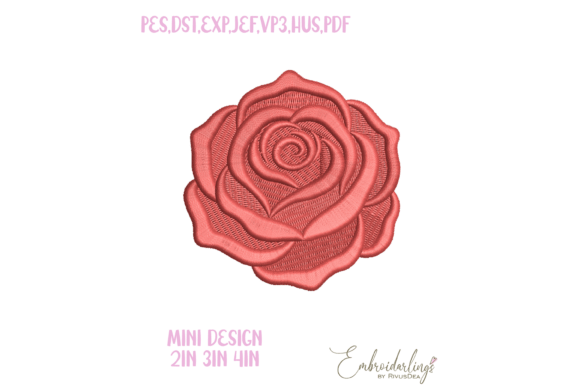
Mini Rose Embroidery Design: A Real-World Review
As a designer who has spent years navigating the delicate balance between aesthetic appeal and machine reliability, I approach every new machine embroidery design with a critical eye. The market is flooded with digital assets that look stunning on a screen but struggle to translate onto fabric. Today, I am putting the Mini Rose Embroidery Design through its paces. This isn't just about checking if it stitches; it is about determining if this specific floral motif holds up under the pressure of real client projects, small business demands, and the nuances of physical materials.
The First Impression: Classic Elegance in a Small Package
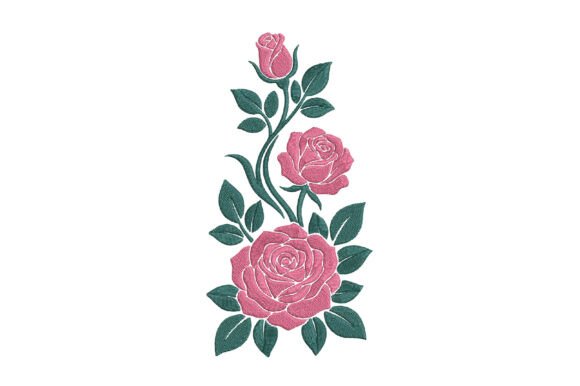
When you first load the embroidery file for the Mini Rose into your digitizing software or hoop previewer, the mood is immediately established. It is not a loud, aggressive bloom. Instead, it offers a refined, classic touch of nature that feels timeless. The layout is compact yet detailed, capturing the essence of a blooming rose without overwhelming the surrounding space. For those of us working in the Single Flowers category, finding a design that balances detail with size is often the hardest challenge. Too much detail in a small area leads to stitching errors, while too little looks cheap. This design seems to hit that sweet spot.
The visual personality of the Mini Rose suggests versatility. It does not scream "vintage" nor does it feel strictly modern. It sits comfortably in between, making it an excellent candidate for a wide range of applications. Whether you are a hobbyist looking to personalize a home decor item or an Etsy seller building a cohesive brand line, the clean lines and structured petals offer a professional foundation. However, before committing to a full production run, we must consider how these theoretical qualities perform when thread meets fabric.
Putting the Design to Work: A Custom Tote Bag Scenario
To truly evaluate the Mini Rose Embroidery Design, let's imagine a specific scenario: preparing a batch of custom embroidered tote bags for a local boutique client. The client wants something elegant but understated, perfect for carrying books or groceries while projecting a sense of curated style. They have chosen a natural canvas material, which has a slightly rough texture.
In this context, the design shines. Because the rose is "mini," it fits perfectly in the corner of the bag or centered on the lower panel without dominating the entire surface. The stitch density appears manageable, which is crucial for canvas. If the density were too high, the fabric might pucker, ruining the drape of the bag. With the Mini Rose, the fill stitch and satin stitch combinations seem light enough to lay flat against the textured weave. The result is a finished product that looks like a high-end handmade item rather than a mass-produced novelty.
Furthermore, consider the reaction of the customer holding the bag. The tactile quality of the embroidery adds value. When they run their fingers over the raised petals, the craftsmanship becomes tangible. This level of detail builds trust. It tells the buyer that the creator cares about quality, which is essential for any craft business trying to stand out in a crowded marketplace. For a small shop product, this kind of visual appeal can be the deciding factor between a sale and a pass.
Navigating Fabric Challenges and Placement
While the Mini Rose performs well on stable fabrics like canvas or linen, experienced designers know that context is everything. You must be cautious when applying this embroidery project to stretchy fabrics like jersey knit or thin materials like chiffon. On a sweatshirt or a baby onesie, the tension required to hold the hoop can distort the shape of the flower before the needle even touches the fabric.
If you decide to use this design for custom apparel on stretchy materials, the choice of stabilizer becomes non-negotiable. You will likely need a tear-away or cut-away stabilizer that provides enough backing to prevent the tiny details of the rose from sinking into the fabric loops. Similarly, dark fabrics present a different set of challenges. While the design is beautiful, the contrast between the thread colors and the background needs to be carefully calculated. A white or cream thread on a black hoodie will make the Mini Rose pop, but ensure the stitch density is sufficient to cover the dark background completely, especially in the center of the bloom where shadows naturally occur.
Another area requiring careful thought is curved surfaces, such as caps or hats. The Mini Rose is relatively small, which is good, but the curvature of a cap brim can cause the design to twist or shift during stitching. Always test the design on a scrap piece of similar material first. Check how the running stitch outlines handle the curve. If the design shifts, the delicate petals may overlap incorrectly, ruining the illusion of a blooming flower.
Practical Designer Notes for Success
Before you commit the Mini Rose Embroidery Design to a final product, follow these practical steps to ensure professional results:
- Test on Scrap Fabric: Never skip the test run. Stitch the design on a piece of fabric identical to your final project to check for puckering, thread breaks, or registration issues.
- Verify Hoop Size: Ensure your hoop is large enough to accommodate the design plus the necessary margin for stability. A tight fit can lead to misalignment.
- Check Thread Contrast: Preview the thread colors against your fabric swatch. What looks good on a monitor may disappear on a busy patterned textile.
- Inspect Small Details: Zoom in on the digitized file. Are the smallest petals defined by a single stitch? If so, they may not catch the fabric properly on all machines.
- Use Proper Stabilizer: Match the stabilizer weight to the fabric type. Heavy fabrics need heavy support; light fabrics need lightweight backing to avoid stiffness.
- Review Licensing: As a digital product seller or commercial embroiderer, confirm the licensing terms. Can you sell the finished items? Can you resell the digital embroidery file? Always clarify this before launching a product line.
Impact on Brand Value and Customer Engagement
For the Etsy seller or creative entrepreneur, the choice of design directly impacts brand consistency. The Mini Rose offers a neutral yet sophisticated element that can anchor a collection. Imagine using it across various items: a kitchen towel, a pillow cover, a personalized gift tag, and a holiday ornament. The repetition of this specific floral motif creates a recognizable signature for your shop.
When customers see a consistent, high-quality design across multiple products, it increases their confidence in your brand. It suggests that you are a professional decorator, not just someone randomly stitching patterns. This perception allows you to command higher prices for your handmade product. The visual clarity of the rose ensures that even in small thumbnail images on a website or social media, the detail remains visible. In the world of online sales, where the image is the only interaction a customer has before buying, clarity is currency.
Moreover, the versatility of the Mini Rose Embroidery Design makes it an excellent asset for seasonal marketing. While it is a classic flower, it fits perfectly into spring collections, wedding gifts, Mother's Day items, and even autumnal arrangements when paired with the right color palette. This adaptability means you do not need to constantly search for new designs to keep your inventory fresh. One reliable design asset can serve multiple purposes throughout the year.
Final Verdict: A Reliable Floral Asset
In conclusion, the Mini Rose Embroidery Design stands out as a practical and aesthetically pleasing option for serious embroiderers. It avoids the common pitfalls of overly complex small designs while maintaining enough detail to look premium. Whether you are creating a personalized gift for a loved one or scaling up a line of commercial embroidery for a boutique, this design offers a solid foundation.
However, remember that the success of any embroidery file lies in the execution. Pay attention to your fabric choices, stabilizers, and thread tensions. Test thoroughly, respect the limitations of your equipment, and always verify your usage rights. By treating the Mini Rose with the care it deserves, you can transform a simple digital pattern into a tangible piece of art that enhances your portfolio and delights your customers. For those seeking a classic touch of nature that works as hard as it looks, this design is a worthy addition to your library.