Elephant Patch Embroidery Design Review
As I set up my table for the upcoming weekend craft fair, I am surrounded by stacks of tote bags, aprons, tea towels, and caps. The goal is always the same: to create a display that stops a passerby in their tracks. Today, I am reviewing the Elephant Patch Embroidery Design, a new addition to my machine embroidery design library. My focus is not just on how it looks on a screen, but on how it translates into a tangible craft fair product that sells itself. For any Etsy seller or boutique maker looking to expand their inventory with an Animals theme, this review breaks down exactly where this design shines and where you need to exercise caution.
First Impressions: A Gentle Market Staple
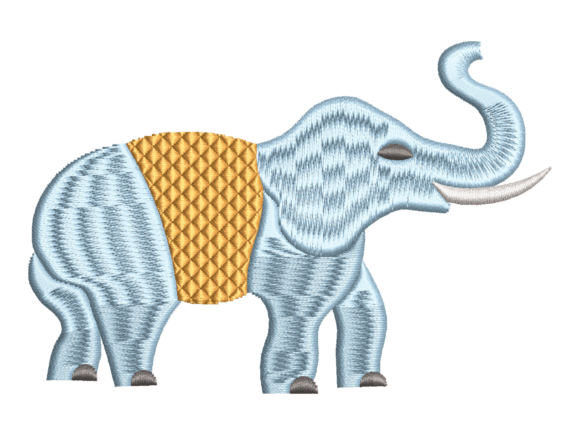
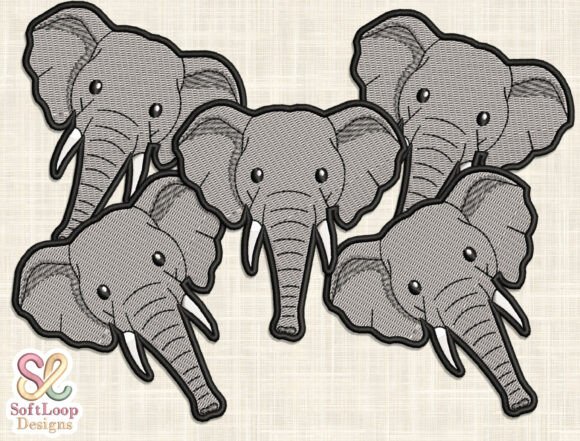
When I first opened the embroidery file, the aesthetic was immediately clear. This is not a bold, graphic statement piece; rather, it exudes a gentle, charming vibe. The description promises a simple yet adorable elephant face with large ears and a long trunk, and the preview confirms this. In the context of a handmade market, "cute" is a powerful currency. It appeals to parents looking for nursery items, gift shoppers seeking something sweet, and anyone who loves a touch of whimsy in their home decor. The design feels soft and approachable, fitting perfectly into farmhouse, modern rustic, or children's boutique aesthetics. It lacks the aggressive density of some commercial logos, which makes it ideal for delicate fabrics like linen or cotton blends often used in handmade products.
Product Placement: Where the Elephant Shines
The true test of any digital embroidery file is its versatility across different substrates. Based on the visual weight of the Elephant Patch Embroidery Design, here is how I plan to deploy it at my booth:
- Tote Bags and Market Bags: This is the primary use case. Placing the design centrally on a natural canvas tote creates an instant classic look. The simplicity ensures it remains legible even when the bag is full and slightly wrinkled.
- Tea Towel Embroidery: Kitchen linens are high-volume sellers. The gentle nature of the elephant fits well on white or pastel tea towels. However, because towels have a textured weave, I will need to ensure the stitch density is sufficient to prevent puckering.
- Apron Embroidery: For the left chest pocket area, this design acts as a perfect accent. It adds personality without overwhelming the garment. It suggests a friendly, welcoming vibe for home cooks.
- Embroidered Patches: Cutting these out to sell as iron-on patches is a smart strategy for small shop product lines. Customers can apply them to denim jackets, backpacks, or hats later, extending the life of the design asset.
- Caps and Pillows: On curved surfaces like caps, the design's lack of tiny, intricate details is a major advantage. It will hold its shape better than complex floral patterns. On pillow covers, it serves as a delightful focal point for nursery decor.
Selling Power and Visual Appeal
In a crowded booth, clarity is king. The Elephant Patch Embroidery Design excels because it is easily understood at a glance. A customer walking by does not need to squint to see what they are looking at. This immediate recognition drives engagement. When photographed for online listings or printable mockup displays, the clean lines of the elephant face pop against contrasting backgrounds. This visual strength increases the perceived value of the finished product. A simple tote bag becomes a premium item once it features a well-executed, high-quality embroidery. Furthermore, the design supports brand consistency; if your shop focuses on cute, animal-themed goods, this design assets aligns perfectly with your overall narrative.
Production Realities and Practical Notes
While the design is charming, a professional commercial embroidery run requires attention to detail. Here are the critical factors I am considering before hitting the "start" button on my machine:
Fabric Texture and Stabilization
One challenge with towel and terry cloth items is the fabric texture. The loops in the material can sometimes hide stitches or cause unevenness. I strongly advise using a cut-away stabilizer for these projects to ensure the design lays flat. For heavier fabrics like denim or canvas, a tear-away stabilizer might suffice, but testing is essential. Always check thread contrast; a grey elephant on a dark navy background might get lost, whereas a cream elephant on sage green will stand out beautifully.
Size and Detail Considerations
Although the description highlights a simple face, "simple" does not mean "infinitely scalable." If you shrink this design too much for a small pouch or a cap brim, the definition of the trunk and eyes may blur. Conversely, enlarging it too much could reveal gaps in the satin stitching. Before mass production, confirm the optimal hoop size recommended by the designer. Do not assume the design will work at 2 inches or 8 inches without verification. Additionally, avoid placing the design over thick seams or zippers, as this can cause needle breakage or misalignment.
Density and Thread Colors
Review the stitch density carefully. Some areas, particularly around the ears or the trunk outline, might be dense. If the design is too heavy, it can make the fabric stiff. If it is too light, the backing fabric might show through. Adjusting the pull compensation in your machine settings can help mitigate this. Also, consider the cost of thread colors. If the design requires many color changes, it slows down production time. For a busy craft fair prep week, a design with fewer color stops is more efficient for batch production.
Final Checklist for Makers
Before you list this as a product or commit to a bulk order, follow this practical checklist to ensure success:
- Test on Scrap Fabric: Never skip the test run. Stitch the design on the exact fabric you intend to sell to check for puckering and alignment.
- Create a Real Mockup: Digital previews are helpful, but nothing beats holding the actual embroidered item to judge the tactile quality.
- Verify Licensing: Ensure your purchase includes a license for commercial embroidery if you plan to sell the finished goods. Do not sell items made from a personal-use-only file.
- Check File Specs: Confirm the embroidery file format matches your machine (PES, DST, EXP, etc.) and that the stitch count is reasonable for your timeline.
- Compare Colors: Test the design on at least three different fabric shades to find the most striking combination for your booth display.
The Elephant Patch Embroidery Design offers a wonderful opportunity for creative entrepreneurs to add a touch of warmth and character to their inventory. Its simplicity makes it forgiving for beginners, while its charm ensures it appeals to a broad audience. By paying attention to stabilization, sizing, and fabric choice, you can turn this digital file into a best-selling staple for your next market day. Whether you are selling tote bag designs, kitchen linens, or custom gifts, this little elephant has the potential to become a favorite among your customers.