Beach Towel Machine Embroidery Design Review
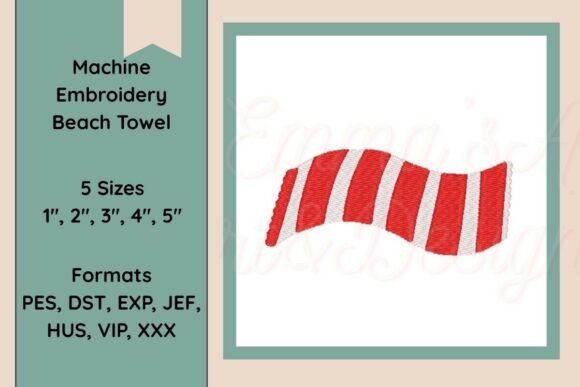
As a professional embroidery designer who has spent years translating digital files into tangible brand assets, I approach every new machine embroidery design with a critical eye. The goal is never just to create something pretty; it is to ensure the design holds up under commercial scrutiny, withstands washing cycles, and elevates the perceived value of the product it adorns. Today, I am reviewing the Beach Towel Machine Embroidery Design, a file described as featuring bold classic red and white stripes in a wavy motif. This review focuses on its viability for small business merchandise, branded patches, and custom apparel.
First Impressions: A Bold Summer Statement
When I first load the digital embroidery file onto my screen, the visual impact is immediate. The description promises a "bold" aesthetic, and the preview confirms this. The use of classic red and white stripes instantly evokes a sense of nostalgia and timeless summer energy. For a small business merch line, this is a double-edged sword. On one hand, the color combination is universally recognized and friendly, making it an excellent choice for seasonal collections. On the other hand, because it leans heavily into a specific theme, it must be applied strategically to avoid looking like a generic souvenir.
The wavy striped beach towel motif suggests movement and fluidity. In the world of embroidery, curves can be tricky depending on the stitch density and the skill of the digitizer. However, if executed well, this wave pattern adds a dynamic, handmade feel that flat graphics often lack. It feels less like a corporate logo and more like a lifestyle brand asset, perfect for boutiques, cafes, or creative studios looking to inject personality into their inventory.
Evaluating Real-World Business Applications
The true test of any commercial embroidery project is how it translates from the hoop to the finished product. Here is how I see the Beach Towel Machine Embroidery Design performing across various business scenarios:
- Branded Patches and Labels: This design is exceptionally well-suited for creating high-quality embroidered patches. The distinct stripes provide enough visual weight to stand out even when detached from the garment. A local bakery or florist could use these as iron-on patches for staff aprons or as sew-on labels for gift bags, instantly signaling a fun, approachable brand identity.
- Cap Embroidery: Placing this motif on the front of a baseball cap creates a striking focal point. The red and white contrast ensures visibility from a distance, which is crucial for streetwear brands or event merchandise. However, the curvature of the cap front requires careful attention to the stitch direction to prevent puckering.
- Tote Bag Design: For eco-conscious brands, a large-scale application on canvas tote bags works beautifully. The sturdy nature of canvas handles the stitch density required for bold stripes without distorting the fabric. This turns a simple utility item into a desirable fashion accessory.
- Apron Embroidery: In the hospitality industry, such as beachside cafes or summer pop-up shops, this design serves as a perfect chest accent on staff aprons. It unifies the team's look while reinforcing the seasonal theme of the establishment.
- Custom Apparel Accents: Rather than dominating a whole t-shirt, using this design as a sleeve detail or a back-of-neck tag adds a subtle touch of branding. This is ideal for boutique clothing lines that want to hint at a summer collection without being overly loud.
Critical Considerations for Production
While the concept is strong, a professional designer knows that execution details make or break a project. There are specific areas where the Beach Towel Machine Embroidery Design requires careful handling to maintain quality and professionalism.
Stitch Density and Fabric Texture
Bold stripes often require higher stitch density to achieve solid blocks of color. If you plan to use this on textured fabrics like heavy denim, thick canvas, or knit jerseys, you must test the file first. High density on stretchy or textured materials can lead to puckering or thread breakage. Always check if the design needs adjustment for the specific fabric texture you intend to use. For lighter fabrics, ensure the backing stabilizer is robust enough to support the weight of the red and white threads without warping the material.
Size Limitations and Detail Clarity
Do not attempt to shrink this design too aggressively. While it looks great large, reducing it to a tiny cap embroidery size might cause the wavy stripes to blur together. The intricate nature of the waves relies on space between stitches to define the shape. If you are producing small patches, verify that the minimum width allows the stripes to remain distinct. If the hoop size limits you, consider simplifying the motif or focusing on a single segment of the wave rather than the full pattern.
Thread Colors and Contrast
The classic red and white palette is vibrant, but it demands precision. Ensure your thread colors match your brand guidelines exactly. Off-red or slightly pinkish hues can ruin the intended retro vibe. Furthermore, if applying this to dark uniforms, you will need a dense underlay or a backing patch to prevent the fabric color from showing through the white stripes, which would muddy the clean aesthetic.
Impact on Brand Identity and Customer Trust
For small business owners, every stitch counts toward building brand identity. Using a cohesive and high-quality design like this one signals to customers that you care about the details of your products. When a customer receives a tote bag or wears a shirt with a crisp, well-executed handmade product label, their perception of your entire brand elevates. It moves beyond a commodity and becomes a piece of art they are proud to own.
This design specifically fosters a sense of community and shared experience. By associating your brand with the relaxed, joyful imagery of a beach towel, you tap into positive emotions. This emotional connection drives buyer engagement and encourages social sharing. Whether you are selling design assets on Etsy or creating physical goods for your shop, the consistency of using a recognizable motif helps build recognition over time.
Practical Designer Notes for Success
Before you commit to a full production run of items featuring the Beach Towel Machine Embroidery Design, follow these essential steps to ensure a successful outcome:
- Test in Black and White: Run a test stitch-out using a single thread color first. This allows you to inspect the structural integrity of the design, checking for gaps, tension issues, or registration problems without wasting expensive colored thread.
- Verify Commercial Licensing: Before using any digital embroidery file for business, confirm that your license permits commercial use. Ensure you have the right to sell the finished product and that the terms cover the volume you intend to produce.
- Create Printable Mockups: Generate a printable mockup of the design on your intended product (cap, bag, shirt) to show clients or stakeholders. This manages expectations and ensures the scale and placement work before you cut a single thread.
- Select the Right Stabilizer: Choose a stabilizer appropriate for your base fabric. For towels or heavy cotton, a tear-away or cut-away stabilizer with high tensile strength is necessary to handle the pull of the dense stitching.
- Compare Design Assets: Place this design next to your existing logos and other brand elements. Does the playful wave motif clash with a serious corporate font? Ensure visual consistency across all your design assets.
In conclusion, the Beach Towel Machine Embroidery Design offers a vibrant, energetic option for businesses looking to capitalize on the Summer season. With proper testing, attention to stitch density, and strategic application, it can transform standard merchandise into premium, branded experiences that resonate with customers.